
Federal drug crimes lawyer in York, NE. Being accused of a federal drug crime can put your freedom, career, financial stability, and future in jeopardy. Federal prosecutors have extensive investigative resources, and drug trafficking and conspiracy charges can carry mandatory minimum prison sentences, substantial fines, and years of federal supervision. If you are under investigation or facing federal drug charges in York, NE, understanding the seriousness of the allegations and protecting your rights from the beginning is essential.
Unlike many state-level drug cases, federal prosecutions frequently involve coordinated investigations, multiple defendants, confidential informants, intercepted communications, and allegations of criminal activity extending across county or state lines. By the time an arrest occurs, investigators may have spent months collecting evidence. However, a lengthy investigation does not mean the government’s conclusions are accurate or that every allegation can be proven beyond a reasonable doubt.
At Miltenberger Law Offices, we understand how overwhelming it can be to face serious criminal accusations. Our approach begins with examining the evidence, identifying weaknesses in the government’s allegations, and determining which legal protections and defense strategies may apply. Whether your case involves methamphetamine distribution, fentanyl trafficking, possession with intent to distribute, or a federal drug conspiracy, securing experienced legal guidance as early as possible can make a meaningful difference.
Article Summary: Understanding Federal Drug Charges in York, NE
Federal drug prosecutions involve different laws, investigative procedures, and sentencing guidelines than drug offenses handled in Nebraska state courts. This guide examines what causes a drug case to fall under federal jurisdiction, the types of offenses commonly prosecuted, and the potential consequences under the Controlled Substances Act. We’ll also explore how federal authorities investigate suspected drug activity, what to expect following a federal arrest in York, NE, and how experienced criminal defense attorneys defend against trafficking and conspiracy allegations. Finally, you’ll learn why securing legal representation early can be critical when your case is prosecuted in the United States District Court for the District of Nebraska.

Federal Drug Charges in York and York County: Understanding Federal Prosecution
York serves as the county seat of York County and occupies a significant transportation location in south-central Nebraska near the intersection of Interstate 80 and U.S. Highway 81. These major routes connect York with Lincoln, Grand Island, Columbus, and communities throughout central Nebraska. Federal drug investigations involving York may examine alleged transportation or distribution activity along these corridors, particularly when authorities suspect that controlled substances were moved between multiple cities or states.
Federal drug offenses arising in York fall within the jurisdiction of the United States District Court for the District of Nebraska. The district maintains federal court facilities in Lincoln at the Robert V. Denney Federal Building, 100 Centennial Mall North, and in Omaha at the Roman L. Hruska Federal Courthouse. Federal prosecutions are handled by the United States Attorney’s Office rather than the York County Attorney’s Office and follow federal criminal procedures and sentencing laws.
Investigations may involve allegations of methamphetamine trafficking, fentanyl distribution, possession with intent to distribute, or participation in a federal drug conspiracy. Federal authorities may examine vehicle stops, surveillance, electronic communications, financial records, and statements from cooperating witnesses. Although York’s location along major highways can be relevant to trafficking investigations, prosecutors must still prove the defendant’s individual criminal conduct. Understanding the evidence, the charged offense, and any applicable mandatory minimum penalties is essential when facing federal drug prosecution.
Why Are Some Nebraska Drug Cases Prosecuted in Federal Court?
Drug offenses committed in York and throughout Nebraska may be prosecuted in state or federal court, depending on the nature of the alleged criminal activity and the applicable laws. Federal authorities frequently become involved when investigations uncover suspected large-scale drug trafficking, significant quantities of controlled substances, coordinated distribution operations, or conduct that violates federal narcotics statutes.
The Controlled Substances Act provides the legal foundation for many federal narcotics prosecutions. Under 21 U.S.C. § 841, federal law prohibits unauthorized manufacturing, distributing, dispensing, or possessing controlled substances with the intent to manufacture, distribute, or dispense them. Charges brought under this statute can carry substantial penalties, with sentencing exposure influenced by factors such as the substance involved, drug quantity, prior qualifying convictions, and other circumstances established under federal law.
Federal jurisdiction is not limited to cases involving drugs transported across state lines. Even when the alleged conduct takes place exclusively within Nebraska, federal charges may be filed if the government can establish a violation of federal law. However, suspected connections between York, NE, Lincoln, Council Bluffs, and other locations may attract federal investigative attention, particularly when authorities believe multiple individuals participated in transporting or distributing controlled substances.
These prosecutions often develop through joint investigations involving federal agents, state authorities, and local law enforcement. Investigative methods may include controlled purchases, physical surveillance, confidential sources, financial records, electronic communications, and evidence obtained through search warrants. When several individuals are investigated together, prosecutors may use the collected information to pursue broader trafficking or conspiracy allegations, making it especially important to distinguish an individual’s actual conduct from assumptions about involvement in a larger operation.
Why Federal Drug Investigations Are More Complex Than State Cases in Nebraska
Federal drug cases frequently involve extensive investigations conducted by agencies such as the Drug Enforcement Administration (DEA), Federal Bureau of Investigation (FBI), and Homeland Security Investigations (HSI), often working alongside Nebraska state and local law enforcement. These investigations may unfold over months or longer, with authorities gathering evidence through confidential informants, surveillance operations, search warrants, financial transactions, intercepted communications, and testimony from cooperating individuals before pursuing criminal charges.
Federal prosecutors may also build cases around alleged drug conspiracies rather than individual transactions. This approach allows the government to pursue charges against people accused of having different responsibilities within a suspected distribution operation, including individuals who allegedly arranged transactions, supplied financial support, coordinated transportation, or otherwise knowingly joined the unlawful agreement. A defendant does not necessarily have to possess or distribute drugs personally to face conspiracy charges, but prosecutors must establish knowing participation in the alleged criminal agreement.
These cases demand careful attention to the government’s evidence, the applicable statutes, and the specific conduct attributed to each defendant. The seriousness of a federal investigation does not relieve prosecutors of their obligation to establish every element of the charged offense.
Federal Drug Offenses That Can Lead to Prosecution in York, NE
Not all federal drug charges involve the same conduct, and the differences can have a substantial impact on a defendant’s future. Trafficking, distribution, and conspiracy allegations each involve specific legal elements, evidentiary requirements, and potential sentencing consequences. Working with a knowledgeable drug crimes lawyer in York, NE is important when determining what the government must prove, whether the allegations are supported by reliable evidence, and what defenses may be available.
Federal Drug Distribution and Trafficking Offenses
Drug trafficking charges generally involve allegations that someone knowingly or intentionally distributed controlled substances or possessed them with the intent to distribute. Under federal law, these offenses may involve methamphetamine, fentanyl, cocaine, heroin, marijuana, prescription medications, and other controlled substances.
To support trafficking allegations, federal prosecutors may introduce evidence involving drug quantities, packaging supplies, financial records, surveillance footage, electronic messages, or testimony from alleged participants. Nevertheless, the discovery of certain materials, unexplained financial activity, or connections to individuals suspected of drug trafficking does not independently establish that a defendant knowingly committed a federal drug offense.
An experienced federal drug crimes lawyer in York, NE must carefully examine how the evidence was obtained, whether it reliably establishes possession or distribution, and whether prosecutors can prove the required knowledge and intent. The identity and quantity of the alleged controlled substances may also be central to the defense, particularly when federal prosecutors pursue charges carrying mandatory minimum sentencing requirements.
Conspiracy to Commit Federal Drug Crimes
Drug conspiracy allegations are particularly serious because federal prosecutors can pursue charges against individuals accused of participating in a shared criminal objective, even when their alleged roles differ significantly. A person does not necessarily have to handle drugs, make a sale, or transport narcotics to face prosecution if the government alleges knowing involvement in an unlawful drug agreement.
Federal law addresses these offenses under 21 U.S.C. § 846, which authorizes the same statutory penalties for conspiracy as for the underlying federal drug offense. As a result, defendants accused of participating in a drug trafficking conspiracy may face serious prison sentences and other consequences based on the charges and applicable sentencing provisions.
To obtain a conspiracy conviction, federal prosecutors generally must establish that an agreement to violate federal drug laws existed and that the defendant knowingly and voluntarily joined that agreement. Merely associating with suspected drug traffickers, communicating with an alleged participant, or being present when unlawful activity occurred is not necessarily sufficient to establish criminal conspiracy.
These distinctions can be critical when prosecutors attempt to connect individuals to a larger trafficking operation based on phone calls, text messages, financial transactions, or statements from cooperating defendants. A federal drug crimes defense attorney must distinguish evidence of actual participation from speculation, association, or conduct that does not establish the required agreement.
Possession of Controlled Substances With Intent to Distribute
A federal charge of possession with intent to distribute involves more than simply finding drugs near an individual. To secure a conviction, prosecutors must establish the elements of possession with intent to distribute, including that the defendant knowingly possessed a controlled substance and intended to distribute it. Establishing actual or constructive possession can become a significant issue when drugs are discovered in locations accessible to multiple people.
Evidence commonly cited in these cases includes substantial drug quantities, scales, packaging materials, cash, phone records, and messages suggesting potential transactions. Yet these circumstances must be considered alongside the surrounding facts. When drugs are found in a vehicle occupied by several people, a shared apartment, or another commonly accessible location, the prosecution cannot simply assume that everyone present knowingly possessed the substances or intended to distribute them.
Federal Drug Manufacturing and Production Offenses
Federal law also prohibits the unauthorized manufacturing of controlled substances. These allegations may involve methamphetamine production, processing illicit narcotics, or participation in operations where controlled substances are produced or prepared for distribution.
Evidence may include laboratory findings, chemicals, equipment, financial records, and statements from other suspects. An York, NE federal drug crimes lawyer must evaluate whether that evidence reliably connects the accused to the charged activity and establishes the required knowledge and intent.
Federal Prescription Drug Offenses
Federal authorities also investigate the alleged illegal distribution of medications that may be lawfully prescribed under appropriate circumstances. These cases can involve opioid pain medications, stimulants, and other controlled prescription drugs. Depending on the allegations, prosecutors may investigate physicians, pharmacists, medical practices, pharmacies, or individuals suspected of selling or distributing prescription medications without legal authorization.
Unlike cases involving substances with no accepted medical use, prescription drug prosecutions may require detailed analysis of professional authorization, patient records, prescribing practices, pharmacy procedures, and the defendant’s knowledge and intent. For medical professionals, the distinction between legitimate treatment decisions and knowingly unauthorized distribution can be particularly significant. A thorough defense must address the precise conduct alleged and whether the evidence satisfies the applicable federal legal requirements.
Drug Trafficking Allegations Involving Firearms
Drug trafficking investigations may also lead to separate federal firearm charges when authorities allege that a weapon was used, carried, or possessed to facilitate criminal activity. These allegations can significantly increase a defendant’s sentencing exposure, particularly when prosecutors claim that a firearm played a role in an alleged drug distribution operation.
Under 18 U.S.C. § 924(c), qualifying firearm offenses can result in substantial mandatory prison terms that generally must run consecutively to other sentences.
The government must prove the particular relationship between the firearm and the underlying drug trafficking offense required by the statute. The discovery of a firearm near suspected drugs does not automatically establish every element of a separate federal firearm charge.
Federal Methamphetamine and Fentanyl Prosecutions in York, NE
Methamphetamine and fentanyl allegations can involve particularly severe federal sentencing exposure. Both substances are subject to statutory provisions under which specified quantities may trigger mandatory minimum prison terms.
Federal narcotics investigations originating in York, NE may extend well beyond the immediate community. Authorities sometimes investigate suspected distribution networks operating throughout Douglas County, Sarpy County, and surrounding Nebraska jurisdictions, particularly when they believe controlled substances are being transported through major regional highways. Routes such as Interstate 80 and Interstate 680 connect the region with Iowa, Missouri, Kansas, Colorado, South Dakota, Wyoming, and other states, making interstate transportation allegations a potential focus of federal investigations.
Nevertheless, traveling along a major highway, knowing someone suspected of trafficking drugs, or being present at a location associated with an investigation does not automatically establish criminal responsibility. Federal prosecutors must demonstrate that the accused knowingly engaged in the conduct required for the charged offense. Distinguishing actual participation from mere association or proximity can be essential to a strong defense.
Federal Methamphetamine Trafficking Offenses
One of the most consequential aspects of federal methamphetamine trafficking prosecutions is how the government identifies, measures, and classifies the alleged controlled substances. Federal statutes establish different quantity thresholds for methamphetamine mixtures and actual methamphetamine, meaning the results of laboratory testing and purity analysis can directly affect potential mandatory minimum sentences. Disputes over testing accuracy, sample identification, and drug weight may therefore have significant legal consequences.
Drug quantity disputes can become particularly complicated when prosecutors allege that several individuals participated in a common distribution conspiracy. The government may attempt to hold a defendant accountable for quantities connected to transactions involving other alleged participants. An effective defense requires careful examination of the defendant’s actual involvement, the evidence supporting the government’s calculations, and the legal limitations on attributing additional drug quantities to an individual.
Fentanyl Distribution and Trafficking
Fentanyl prosecutions may involve allegations concerning counterfeit pills, powder, distribution networks, or controlled substances containing fentanyl. These cases can carry significant penalties, particularly when statutory drug quantity thresholds are met.
In cases involving a fatal overdose or serious bodily injury, prosecutors may seek enhanced penalties based on allegations that the distributed substance caused the resulting harm. These accusations require more than proof that fentanyl was present or that the defendant was associated with someone who used drugs. The government must establish the legally required connection between the controlled substance, the defendant’s conduct, and the alleged injury or death. Medical evidence, toxicology reports, the presence of other substances, and the circumstances surrounding the incident may all warrant careful scrutiny when defending against these serious allegations.
Understanding Federal Drug Crime Penalties in York, NE
Federal drug sentences depend on several factors, including the controlled substance involved, the quantity attributed to the defendant, the specific statute charged, qualifying prior convictions, and other legally relevant circumstances.
Under 21 U.S.C. § 841(b), many trafficking offenses fall within the following general sentencing categories:
| Offense and Federal Statute | Examples of Drugs and Quantities | Federal Prison Sentence |
|---|---|---|
| High-Quantity Drug Trafficking 21 U.S.C. § 841(b)(1)(A) |
500 g or more of methamphetamine mixture; 50 g or more of actual methamphetamine; 400 g or more of fentanyl; 5 kg or more of cocaine; or 1 kg or more of heroin. | 10 years to life |
| Drug Trafficking Involving Intermediate Quantities 21 U.S.C. § 841(b)(1)(B) |
At least 50 g of methamphetamine mixture, 5 g of actual methamphetamine, 40 g of fentanyl, 500 g of cocaine, or 100 g of heroin, where subsection (A) does not apply. | 5 to 40 years |
| Distribution and Possession With Intent to Distribute 21 U.S.C. § 841(b)(1)(C) |
Examples include methamphetamine, fentanyl, heroin, cocaine, or other qualifying Schedule I or II substances when the quantities or circumstances do not trigger the higher penalties under subsections (A) or (B). Certain other specifically covered substances are also included. | Up to 20 years No general mandatory minimum |
| Lower-Quantity Marijuana Distribution 21 U.S.C. § 841(b)(1)(D) |
Generally, less than 50 kg of marijuana, excluding certain plants, or fewer than 50 marijuana plants, subject to statutory exceptions. | Up to 5 years Generally no mandatory minimum |
| Conspiracy to Commit a Federal Drug Offense 21 U.S.C. § 846 |
Knowingly and voluntarily participating in an agreement to commit a federal drug offense, including conspiracy to manufacture or distribute methamphetamine, fentanyl, cocaine, heroin, or other controlled substances. | Penalties correspond to the underlying federal drug offense |
These penalties reflect general statutory ranges for qualifying offenses, not the sentence every defendant will receive. Enhanced penalties may apply when the government establishes certain qualifying prior convictions or when a drug offense results in death or serious bodily injury. Other consequences can include substantial financial penalties, federal supervised release, and forfeiture proceedings involving property allegedly connected to drug trafficking. The applicable sentencing range must be evaluated against the specific facts, charges, and legal requirements of each case.
Federal Mandatory Minimums: When Judges Have Limited Sentencing Discretion
One of the most serious aspects of federal drug prosecution is the possibility of a mandatory minimum prison sentence. For qualifying trafficking offenses involving methamphetamine, fentanyl, and other controlled substances, federal statutes may require at least five or ten years of imprisonment based on the applicable drug quantity thresholds. When a mandatory minimum applies, a federal judge generally cannot impose a shorter prison term simply because the defendant has favorable personal circumstances or played a relatively limited role in the alleged offense.
There are, however, specific legal mechanisms that may allow a sentence below the statutory minimum. The safety-valve provision under 18 U.S.C. § 3553(f) provides relief for certain defendants who satisfy all applicable statutory conditions. Federal law also recognizes potential sentencing reductions for substantial assistance to the government, although such relief depends on established legal requirements and procedural limitations.
Determining whether these exceptions apply requires a detailed examination of the defendant’s criminal history, alleged conduct, and other relevant circumstances. An experienced York, NE federal drug crimes lawyer can evaluate potential eligibility and identify available sentencing arguments. Having no prior criminal convictions does not, by itself, guarantee qualification for safety-valve relief or exemption from a mandatory minimum sentence.
How Federal Sentencing Guidelines Influence Prison Terms
Federal drug sentencing involves more than identifying the minimum and maximum penalties authorized by statute. Judges also consider the United States Sentencing Guidelines, which establish an advisory framework for evaluating the offense and the defendant’s criminal history. The resulting calculation may be affected by the quantity of drugs attributed to the accused, the individual’s alleged role in a distribution network, certain firearm allegations, and other circumstances recognized under federal sentencing rules.
While federal judges are not generally required to impose a sentence within the advisory guideline range, that calculation can strongly influence the sentencing process. A defense attorney may challenge disputed drug weights, questionable factual assertions, or enhancements that improperly increase the recommended punishment. Evidence concerning the defendant’s personal history, circumstances, and other mitigating factors may also help the court evaluate whether a sentence outside the advisory range is appropriate.
Is Parole Available After a Federal Drug Conviction?
Under the Sentencing Reform Act of 1984, traditional federal parole is not available for federal criminal offenses committed after November 1, 1987. While certain inmates may qualify for good-conduct time credits or other forms of sentence-related relief, those possibilities should not be confused with an automatic opportunity for parole.
Because federal prison sentences can involve lengthy periods of incarceration and supervised release, understanding the actual sentencing exposure is an essential part of evaluating any federal drug case.
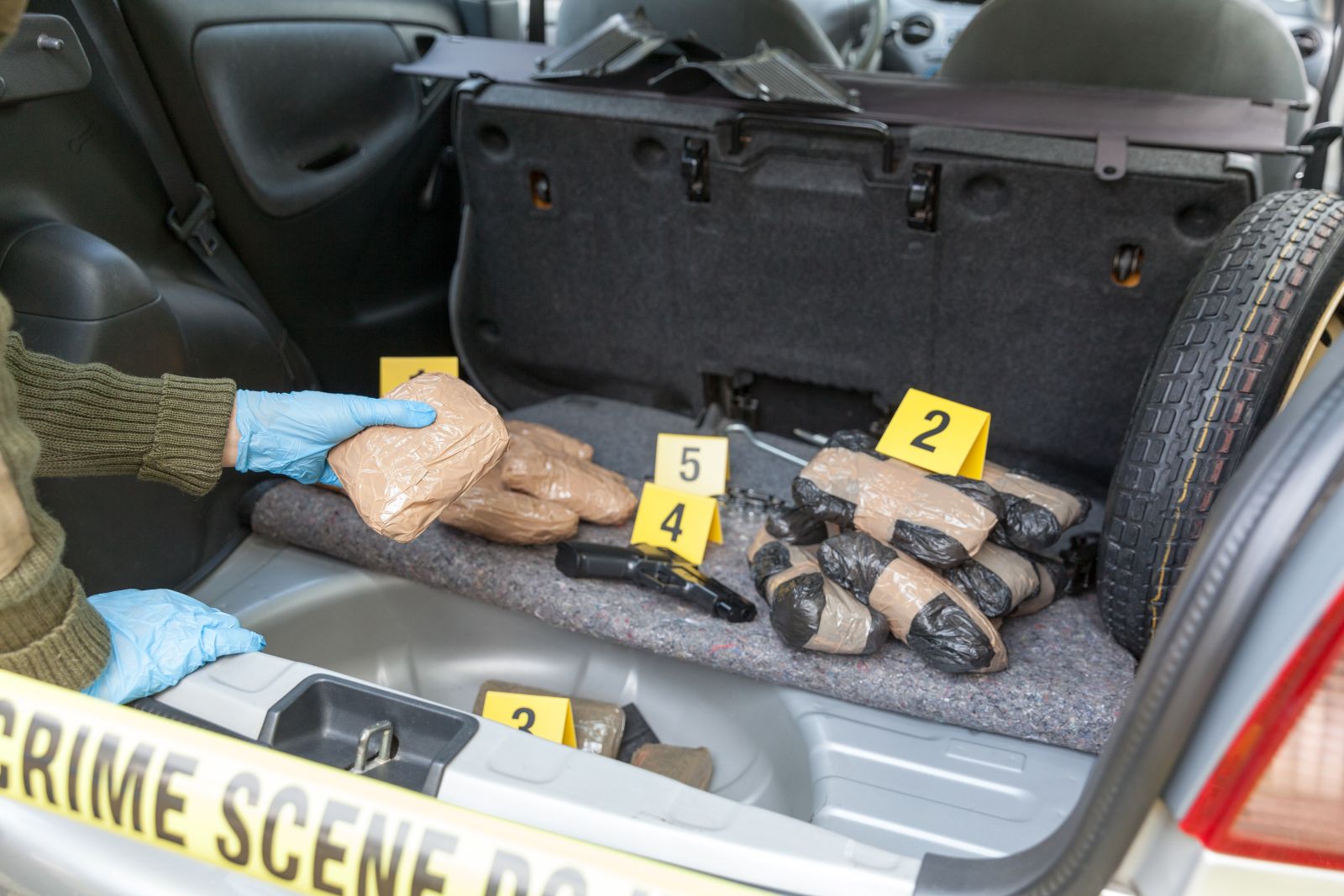
How Federal Drug Investigations Are Built in York, NE
Federal prosecutors may rely on evidence gathered over weeks, months, or longer. Investigators frequently attempt to establish patterns of alleged drug distribution by examining communications, surveillance, financial activity, and information obtained from suspected participants.
However, the size or duration of an investigation does not determine whether the allegations are accurate. Evidence must be examined for reliability, constitutional compliance, and its actual connection to the accused. A thorough defense requires evaluating not only what investigators collected, but also how that information was obtained, whether important context is missing, and whether the government’s interpretation establishes the elements of the charged offense.
Confidential Sources, Informants, and Cooperating Witnesses
Federal drug investigations frequently involve people who provide information to authorities in exchange for payment, favorable consideration, or the possibility of reduced criminal penalties.
These arrangements do not automatically invalidate a witness’s testimony, but they can raise legitimate questions about credibility and personal incentives. Defense counsel must consider whether a cooperating individual has provided inconsistent accounts, exaggerated allegations, or received benefits that could influence their statements. Recorded conversations, surveillance evidence, investigative documentation, and testimony from other witnesses may help determine whether the government’s allegations are independently supported.
Intercepted Communications and Digital Evidence
Federal trafficking and conspiracy investigations increasingly depend on electronic communications. Investigators may analyze intercepted telephone conversations, text messages, call histories, social media activity, encrypted messaging applications, and information extracted from computers or mobile devices. Prosecutors may use these materials to suggest that individuals coordinated drug transactions, arranged transportation, or participated in a broader distribution network.
However, the existence of electronic communications does not automatically establish their meaning or prove who was responsible for them. Investigators may misunderstand slang, overlook surrounding conversations, or attribute messages to an individual without sufficient supporting evidence. A federal drug defense attorney must assess the legality of the collection methods, the authenticity of the records, the identity of the alleged participants, and whether the communications actually demonstrate criminal knowledge or intent.
Search Warrants, Property Searches, and Seized Evidence
Searches conducted during federal drug investigations can produce evidence that substantially influences the charges prosecutors pursue. Federal agents may search homes, vehicles, businesses, warehouses, storage facilities, and digital devices while looking for controlled substances, cash, weapons, transaction records, or other materials allegedly associated with drug distribution. In cases involving shared properties or vehicles, questions about ownership, access, and control may also become significant.
The Fourth Amendment establishes constitutional protections against unreasonable searches and seizures, while Federal Rule of Criminal Procedure 41 addresses important procedures involving federal search warrants. Depending on the facts, defense counsel may examine whether a warrant was supported by probable cause, whether officers searched beyond its authorized scope, or whether a claimed exception to the warrant requirement was legally justified. When evidence is obtained through a constitutional violation, a motion to suppress may be an important part of the defense.
What Defense Strategies Can Protect You Against Federal Drug Prosecution?
Defending a federal drug charge requires more than reviewing the indictment and negotiating with prosecutors. The government must establish the elements of the offense through admissible evidence, and an effective defense examines every significant issue that could affect the case.
Identifying Illegal Searches and Constitutional Violations
Evidence obtained through unlawful searches or seizures may be subject to suppression under applicable constitutional principles. A successful suppression motion can limit the government’s ability to use particular evidence and may significantly affect the prosecution.
Defense counsel may investigate whether officers had lawful grounds to initiate a traffic stop, whether a search warrant was properly supported and executed, and whether searches of phones, computers, vehicles, or residences complied with constitutional requirements. Disputes involving consent, warrantless searches, and the scope of police authority may also provide grounds for challenging evidence that federal prosecutors intend to introduce.
Disputing Knowledge, Possession, and Intent
Federal drug prosecutions often depend on proving that the defendant knowingly possessed or participated in conduct involving controlled substances. When drugs are discovered in shared residences, vehicles, or other locations accessible to multiple people, possession and knowledge may be contested.
An effective defense may focus on whether the accused exercised control over the location where drugs were discovered, knew the substances were present, or engaged in conduct demonstrating an intent to distribute. Evidence involving shared property, conflicting witness accounts, or ambiguous communications may raise important questions about the prosecution’s interpretation of events. By examining these issues closely, defense counsel can challenge allegations that fail to establish the knowledge, possession, or criminal intent required under federal law.
Challenging Alleged Participation in a Drug Conspiracy
Federal conspiracy charges can extend beyond individuals accused of directly selling or transporting drugs. Prosecutors may attempt to establish participation through communications, relationships, or testimony concerning an alleged trafficking organization.
The defense must distinguish knowing involvement in an unlawful agreement from mere association, presence, or unrelated conduct. Questions about the scope of the alleged conspiracy, the defendant’s actual role, and the reliability of cooperating witnesses may be central to the case.
Challenging Drug Weights, Purity Testing, and Forensic Results
In federal drug prosecutions, the identity, weight, and purity of a controlled substance can significantly influence the charges and potential sentencing consequences. Because certain drug quantity thresholds trigger mandatory minimum penalties, defense counsel must carefully examine laboratory reports, forensic testing procedures, sampling techniques, and chain-of-custody records. Errors in identifying or measuring substances may raise important questions about the reliability of the government’s evidence.
In conspiracy cases, it is also important to determine whether the government has a sufficient legal and factual basis to attribute particular quantities to the defendant. Allegations concerning an entire trafficking operation do not automatically establish each individual’s responsibility for every transaction.
Exposing Credibility Problems and Weaknesses in the Investigation
Federal drug cases often rely on statements from confidential informants, cooperating defendants, and individuals who claim to have witnessed or participated in criminal activity. Some witnesses may receive compensation or hope to obtain favorable treatment in their own cases. Although these circumstances do not automatically make their statements unreliable, they create important credibility issues that deserve careful examination.
Inconsistent statements, mistaken identifications, incomplete investigative records, and unsupported assumptions may provide opportunities to challenge the prosecution’s version of events.
Preparing for Negotiations and Federal Trial
Some federal drug cases may be resolved through negotiated agreements, while others require contested hearings or trial. Only about 2% of federal cases actually go to trial. Meaningful negotiations depend on understanding the government’s evidence, potential sentencing exposure, and the strengths and weaknesses of available defenses.
When a reasonable resolution is unavailable, trial preparation becomes essential. The prosecution must prove every element of the charged offense beyond a reasonable doubt, and the defense has the right to challenge the evidence presented against the accused.
What to Expect During a Federal Drug Prosecution in York, NE
Federal criminal proceedings follow a different procedural framework from Nebraska state court cases. A defendant may face several important hearings and decisions before a case reaches trial or sentencing.
Initial Appearance and Detention Hearing
After being taken into federal custody, a defendant generally makes an initial appearance before a United States magistrate judge. During this proceeding, the court addresses the allegations, advises the defendant of applicable rights, and considers legal representation. Questions concerning whether the accused may be released while the prosecution is pending are also addressed, sometimes through a separate detention hearing.
Under the federal Bail Reform Act, certain serious drug offenses create a rebuttable presumption favoring pretrial detention. This does not mean every defendant must remain incarcerated. The court evaluates the statutory factors, including the risk of nonappearance and potential danger to others or the community.
A defense attorney may present relevant information concerning community ties, employment, family responsibilities, prior history, and proposed release conditions.
Grand Jury Indictment and Arraignment
Many federal felony drug cases are initiated through a grand jury indictment, which formally identifies the criminal offenses prosecutors intend to pursue. An indictment reflects a finding of probable cause to support the charges, not a determination that the defendant committed the alleged crimes. The prosecution must still establish guilt through the applicable legal process.
At arraignment, the defendant is formally advised of the allegations and enters a plea. The case then proceeds through pretrial litigation, discovery, negotiations, and potentially trial.
Examining the Government’s Evidence and Challenging Legal Violations
Discovery allows the defense to obtain information that prosecutors are required to disclose under federal procedural rules and constitutional requirements. Depending on the case, this may include investigative reports, recordings, laboratory findings, electronic records, and other evidence.
Defense attorneys may also pursue pretrial motions to challenge evidence obtained through unconstitutional searches, contest the admissibility of particular statements or records, and address violations of federal procedural requirements. Resolving these issues before trial can significantly affect the evidence available to prosecutors and the defense’s assessment of the case.
Federal Plea Agreements, Trial Preparation, and the Burden of Proof
Many federal drug cases are resolved through plea negotiations, but accepting an agreement is not the only available option. A defendant may choose to challenge the charges at trial after considering the strength of the prosecution’s evidence, potential sentencing exposure, and the consequences of a conviction or guilty plea. Any decision should follow a careful evaluation of the available legal options and the specific circumstances of the case.
At trial, the defendant is presumed innocent, and the government must prove the charged offense beyond a reasonable doubt.

Under investigation for a federal drug offense in York, NE? When you choose a Miltenberger Law federal drug crimes attorney serving the York, NE area, you’re not just selecting a dedicated federal drug defense attorney in York, NE and beyond – you are defending your rights, your freedom, and your future. In addition to knowledgeable federal drug crime defense counsel, our legal team is available 24/7 and provides legal defense services in the following related legal matters for individuals in York, NE:
- Traffic Lawyer
- Assault Lawyer
- Domestic Violence Defense Attorney
- Drug Manufacturing Lawyer
- Drug Crimes Defense Attorney
The Importance of Hiring a Federal Drug Crimes Lawyer Before Charges Are Filed
One of the most consequential mistakes someone can make during a federal investigation is assuming they do not need legal representation until formal charges are filed. By the time investigators make an arrest, they may already have interviewed witnesses, examined communications, executed search warrants, and developed an extensive theory of the alleged criminal activity.
Federal agents may also seek voluntary interviews before charges are filed. Even if you believe the allegations are unfounded, attempting to explain the situation without understanding the investigation can create unnecessary risks. Statements may be interpreted differently than intended, and knowingly making materially false statements in a matter within federal jurisdiction can result in additional criminal exposure.
The Constitution provides important protections during criminal investigations, including the Fifth Amendment protection against compelled self-incrimination. You generally have the right to decline a voluntary interview and consult an attorney before answering investigators’ questions. At the same time, it is essential to avoid destroying documents, attempting to influence witness testimony, or taking any action that could be interpreted as obstructing the investigation.
An experienced York, NE federal drug crimes attorney can provide guidance before critical decisions are made. Early involvement allows defense counsel to evaluate the available information, determine how to respond to investigative requests, communicate with federal agents or prosecutors when appropriate, and take steps to protect relevant evidence. Although early representation cannot guarantee that charges will be avoided, it can help prevent unnecessary mistakes and establish a stronger foundation for defending your rights if the investigation leads to prosecution.
Federal Drug Crimes in York, NE: Frequently Asked Questions
How is a federal drug offense different from a Nebraska state drug charge?
Drug allegations may fall under either federal or state jurisdiction depending on the conduct involved and the laws allegedly violated. Federal narcotics prosecutions involve violations of federal controlled substance laws, while state cases proceed under Nebraska statutes. Investigative priorities, the nature of the suspected offense, and prosecutorial discretion may influence which authorities pursue charges. The formal charging documents identify the specific laws the defendant is accused of violating.
Can I face federal trafficking charges if drugs crossed state lines?
Yes. Federal drug trafficking and distribution laws can apply even when the alleged activity occurs entirely within Nebraska. Prosecutors are not generally required to prove that a defendant personally transported narcotics across state borders. Instead, the government must establish the elements of the particular federal drug offense charged.
Could I be convicted of a federal drug conspiracy if I never handled any narcotics?
Yes, if prosecutors prove the required unlawful agreement and the defendant’s knowing and voluntary participation. However, simply knowing someone involved in drug trafficking or being present during alleged criminal activity does not automatically establish conspiracy.
Are mandatory minimum sentences required in every federal drug case?
No. Mandatory minimum penalties apply to certain federal drug offenses, particularly those involving specified substances and quantities or other statutory circumstances. Some offenses carry no general mandatory minimum. Limited statutory relief may also be available when all applicable requirements are satisfied.
Can federal drug charges be dismissed before trial?
Yes, under appropriate circumstances. Legal defects, insufficient evidence, constitutional violations, or other case-specific issues may provide grounds for dismissal or significantly affect the prosecution. However, dismissal is not automatic, and the availability of relief depends on the facts and applicable law.
Can I be released from custody while awaiting trial on federal drug charges?
Not necessarily. Certain serious drug charges trigger a rebuttable presumption favoring detention, but the federal court must evaluate the applicable statutory factors. A skilled York, NE federal defense attorney may present information supporting release under appropriate conditions.
Can federal investigators use my phone records or messages to build their case?
Yes, when the evidence is lawfully obtained and admissible. However, your defense team may challenge whether the communications are authentic, whether they have been correctly attributed to the defendant, and whether prosecutors have interpreted them accurately.
Can I be charged if drugs were found in a car or house shared with other people?
The presence of controlled substances in a shared location does not automatically prove that every occupant knowingly possessed them. Prosecutors must establish the elements of the charged offense, and questions about knowledge, control, access, and the surrounding circumstances may be important to the defense.
What are the long-term consequences of a federal drug conviction?
Potentially. In addition to imprisonment, federal drug convictions may carry significant financial penalties, asset forfeiture, and mandatory periods of supervised release. A criminal record can also affect future employment prospects, professional licensing, housing applications, and other important opportunities. Because these consequences may continue long after a prison sentence ends, understanding the full impact of a potential conviction is an essential part of evaluating a federal drug case.
Should I agree to federal investigators wanting to interview me about drug allegations?
Seeking legal advice before participating in a voluntary interview is generally prudent when you may be suspected of criminal conduct. You may decline to answer substantive questions and request counsel. Never provide false information or interfere with an investigation.
Federal Drug Charges in York, NE? Your Defense Starts With Miltenberger Law Offices
When federal prosecutors accuse you of a serious drug offense, the stakes can be overwhelming. The possibility of substantial prison time, mandatory minimum sentences, and lasting consequences may leave you uncertain about what comes next. However, an arrest or federal indictment is only the beginning of the legal process, not a finding of guilt. The government must support its allegations with admissible evidence and satisfy its burden of proof. Questionable searches, unreliable witnesses, disputed drug quantities, and unsupported claims of criminal involvement may all present important issues for the defense.
At Miltenberger Law, we recognize that a federal drug prosecution puts far more than your immediate freedom at risk. Your career, financial security, personal relationships, and long-term opportunities may all be affected. Our approach focuses on understanding the specific circumstances of your case, identifying potential weaknesses in the government’s evidence, and helping you make informed decisions at every stage of the federal criminal process.
Whether federal authorities are investigating alleged methamphetamine trafficking, fentanyl distribution, possession with intent to distribute, or participation in a drug conspiracy, early legal intervention can make an important difference. Seeking representation before critical decisions are made may help preserve favorable evidence, prevent avoidable mistakes, and ensure that your constitutional rights remain a priority throughout the investigation and prosecution.
Your future is too important to face a federal drug prosecution without experienced legal guidance. If you are under investigation, have been arrested, or are facing an indictment, reach out to Miltenberger Law or call (402) 217-2267 today. Speak with an experienced federal drug crimes lawyer in York, NE about your legal options and begin building a defense focused on protecting your freedom, your reputation, and your future.